

Eco-Friendly Urban Architecture Practices: Designing Cities That Breathe

Passive Design Strategies for Dense City Blocks

Angle façades to catch winter sun and dodge summer glare, then layer in deep overhangs, operable screens, and street trees. One plaza we studied lowered mean radiant temperature noticeably just by adding sculpted shade and reflective paving. Tell us your favorite shading details.

Passive Design Strategies for Dense City Blocks

Place openings on opposing façades, carve breeze courtyards, and keep corridors single-loaded where possible. A coastal apartment retrofit reported weekend air-conditioning use dropping after aligning windows with prevailing winds. Residents said the evening cross-breeze felt like a gentle ritual, not a sacrifice.

Passive Design Strategies for Dense City Blocks

Use light shelves, high-reflectance ceilings, and carefully proportioned window-to-wall ratios to invite daylight while controlling contrast. A school project increased daylight autonomy and saw calmer classrooms. Share how you balance luminous comfort with views in your own projects.

Urban Green Roofs and Living Walls for Biodiversity

Select drought-tolerant native mixes tuned to roof depth and wind exposure. On one mid-rise, sedums blended with prairie grasses invited butterflies within weeks. The maintenance crew began posting seasonal bloom photos, drawing neighbors to volunteer and learn plant names together.

Urban Green Roofs and Living Walls for Biodiversity

When adjacent buildings coordinate planting periods, rooftops become continuous nectar corridors. A beekeeper documented shorter forage times and healthier hives after three blocks aligned bloom sequences. If your roof hosts bees, tell us which species flourish and how you manage winter.

Circular, Low-Carbon Materials

Mass timber, cork, hempcrete, and straw panels offer warmth, durability, and carbon storage. A hybrid timber frame reduced structural embodied carbon significantly while delivering a calming interior. Share your go-to bio-based detail that balances acoustics, fire safety, and beauty.

Circular, Low-Carbon Materials

Treat demolition as harvesting. Reuse brick, mill stair treads into benches, and remelt steel on-site where feasible. A warehouse conversion kept its patinated trusses and saved money while preserving neighborhood memory. What salvage partnerships exist in your city?

Rainwater Harvesting That Actually Gets Used

Size cisterns for toilets, irrigation, and cooling tower make-up, then keep plumbing visible and monitored. A mixed-use project cut potable water use significantly with simple filtration. Share how your team nudges occupants to choose captured rain for everyday tasks.

Permeable Surfaces and Micro-Bioswales

Swap hard paving for permeable pavers and slot in pocket swales along curbs. During a sudden storm, one block stayed passable while others flooded, thanks to absorptive soils and gentle grading. Post a photo of your favorite stormwater detail in action.

Smarter Energy, Cleaner Buildings

01
Integrate photovoltaics into façades, canopies, and guardrails. A library’s solar canopy became its most loved gathering spot, shading readers while powering lights. Share how you’ve turned solar hardware into civic character rather than afterthoughts.
02
Air-source and ground-source heat pumps paired with thermal storage deliver steady comfort with low emissions. A courtyard loop balanced loads between homes and shops, cutting peaks. Tell us your best tip for whisper-quiet mechanical rooms in compact buildings.
03
Smart meters and predictive controls trim waste, while batteries keep essentials running. After a storm, one microgrid kept fridges cold and elevators working. Subscribe for our microgrid planning primer, and comment with the resilience metrics your stakeholders value most.

Adaptive Reuse and Deep Retrofits

A 1970s office became bright housing by adding insulation outboard, high-performance windows, and trickle vents. Energy use dropped dramatically, and tenants bragged about stable indoor temperatures. What retrofit move has surprised you with outsized impact?
Sensitive upgrades—interior storm windows, reversible insulation, and low-impact air sealing—protect historic façades. One theater hid ductwork in old organ chases, preserving plasterwork. Share your favorite reversible detail for heritage projects seeking deep carbon cuts.
Post-occupancy evaluations reveal reality. A retrofit team discovered late-day glare and tweaked shades and controls, boosting satisfaction. Invite residents into the tuning process, and ask them to report comfort notes. We’ll feature top lessons in our newsletter.

Mobility, Shade, and the Public Realm

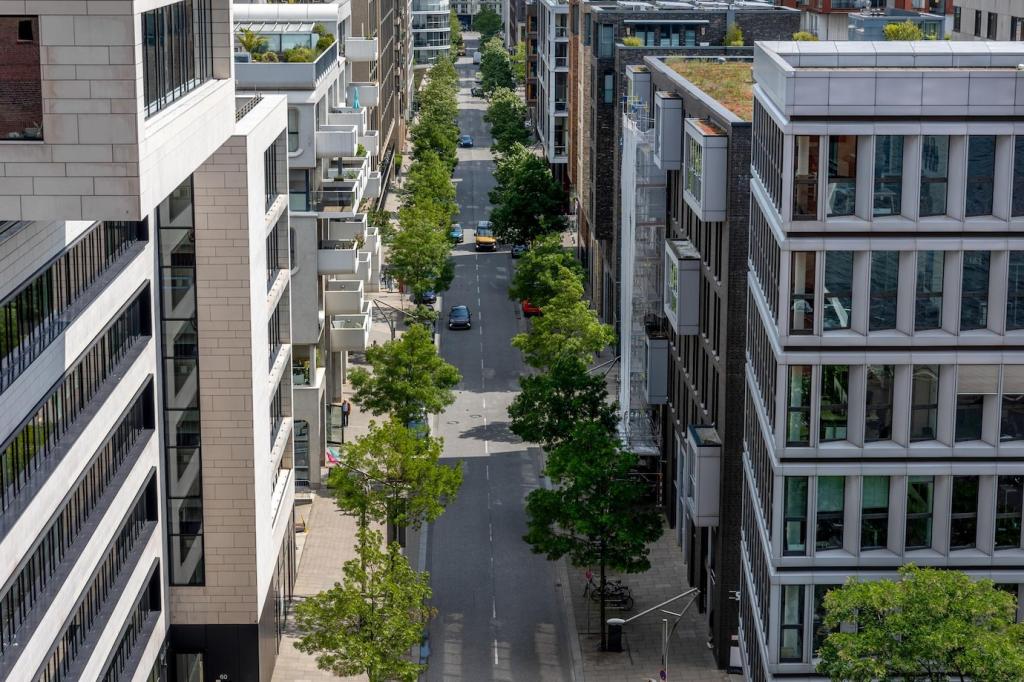
Arcades, trees, and textured façades soften heat and wind, making walking delightful. A treed block reported higher foot traffic and happier shopkeepers each summer. Share your best microclimate trick for keeping pedestrians comfortable on the hottest days.

Mobility, Shade, and the Public Realm

Secure bike rooms at grade, clean showers, and repair stations nudge daily riding. One office saw car commutes fall quickly when ramps replaced elevator-only bike access. What feature would convince you to swap a car trip for a bike ride tomorrow?

Community, Equity, and Shared Benefits

Host workshops at times that work for shift workers, and compensate residents for expertise. A design sprint with tenants saved a courtyard tree once slated for removal. Tell us how you structure equitable engagement budgets and measure trust over time.
Excellentcommodity
Privacy Overview

This website uses cookies so that we can provide you with the best user experience possible. Cookie information is stored in your browser and performs functions such as recognising you when you return to our website and helping our team to understand which sections of the website you find most interesting and useful.