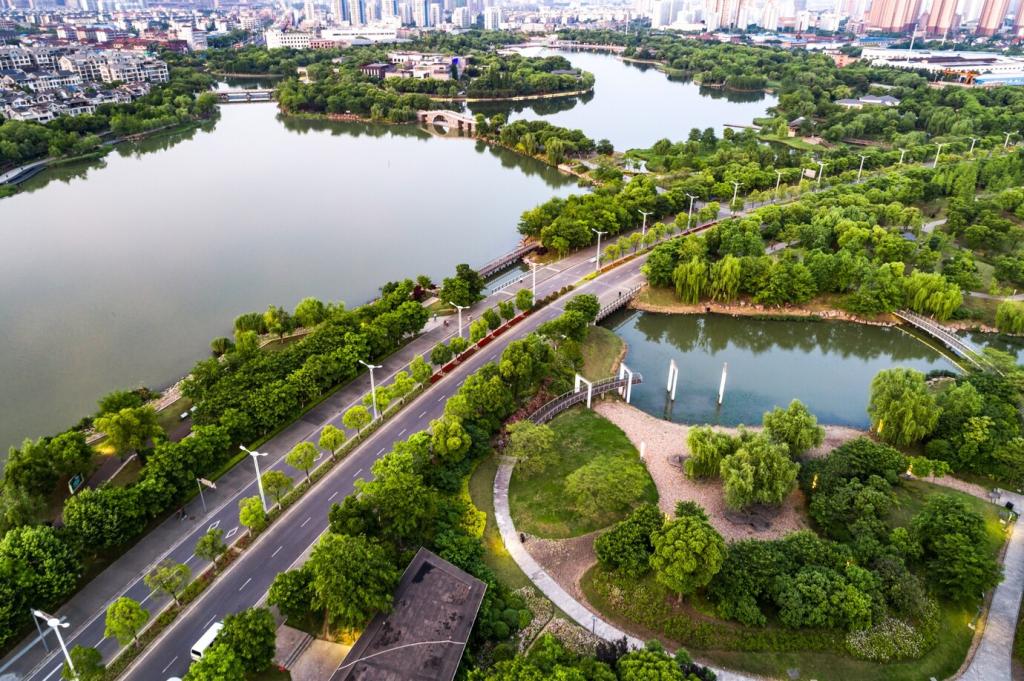
Converting vehicle-dominated corridors into complete streets adds protected bike lanes, wider sidewalks, transit priority, and trees that cool heat islands. Comment with a before-and-after you admire, and why it changed how you travel.
Reimagining Streets for People
Low-cost pilots—paint, planters, cones—let cities test bus lanes and plazas before permanent construction. I once watched a weekend pop-up plaza turn a noisy intersection into laughter and chess. Would your community support a trial?
Reimagining Streets for People
Buses: Rapid, Reliable, Electric
Electric buses cut tailpipe emissions and reduce noise along dense corridors. In Shenzhen, a fully electrified fleet proved performance at scale. Tell us your experience riding quieter routes—did reliability or comfort change your commute?
Pairing electrified rail with renewable power multiplies climate benefits. Agencies increasingly sign solar and wind contracts for traction energy. Would a cleaner energy mix make you choose rail more often for regional trips?
Physical separation increases comfort for new riders, families, and seniors. In Paris, a rapid build-out shifted thousands of trips daily. What barrier—curbs, planters, parked cars—feels safest to you when biking during peak hours?
Cycling and Micromobility Networks
Showers, secure parking, and repair stations turn micromobility into a dependable habit. I once saw a workplace add lockers and bike cages; commuting rates doubled. What small end-of-trip upgrade would help your building?
Walking: The Original Zero-Carbon Mode
Curb ramps, generous widths, and clear zones help parents with strollers, wheelchair users, and older adults. Share a stretch with missing links or obstacles, and how it changes your choice to walk daily.
Walking: The Original Zero-Carbon Mode
Tighter corners, raised crosswalks, daylighting, and leading pedestrian intervals boost visibility and confidence. I remember a child waving at cars from a curb; a raised crossing finally gave them the right-of-way. Seen similar wins?
Data, Integration, and Better Choices
One app, one payment, many modes—bundling transit, bikes, scooters, and carshare makes switching seamless. If your city had a single pass for everything, which combination would replace your next three short car trips?
Charging for scarce road space manages demand and funds transit upgrades. London and Stockholm saw faster buses and cleaner air. If implemented locally, which corridors should receive the earliest reinvestment from new revenue?
Right-priced curb space and reduced minimums unlock housing, trees, and safer bike lanes. I watched a small main street flourish after converting parking to a transit lane and seating. Where could that happen next?
Timed delivery windows, cargo bikes, and microhubs tame double-parking and emissions. Tell us which blocks suffer chronic freight conflicts, and whether a shared loading bay could ease traffic and speed local buses.